
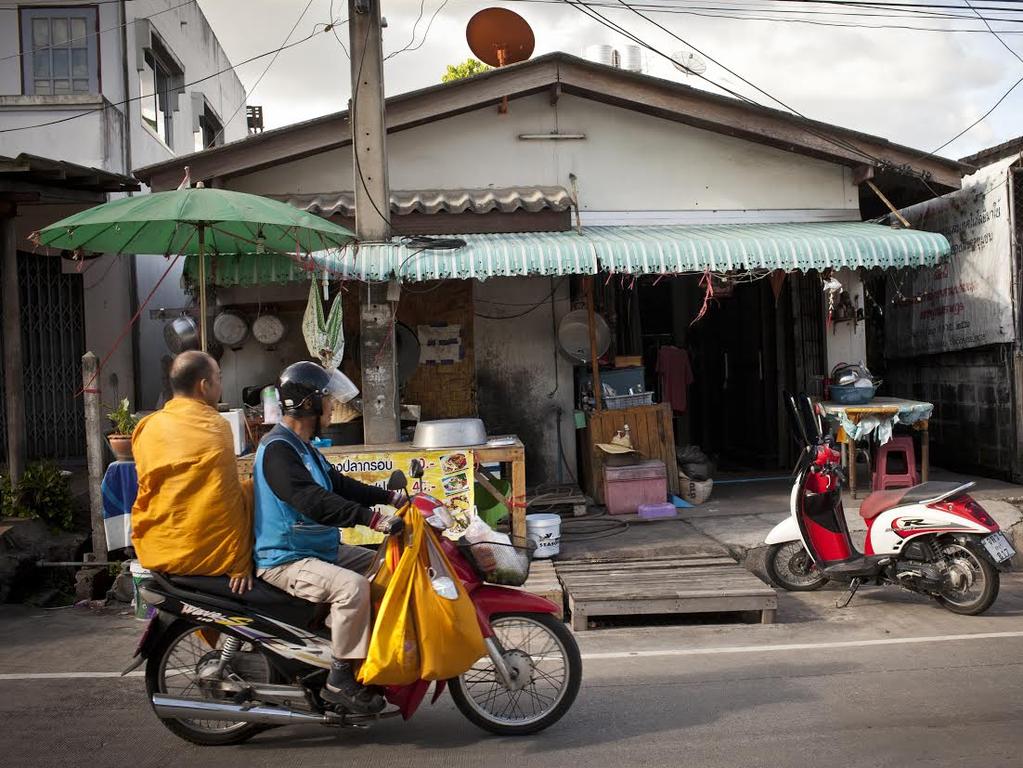
Their life is a simple one. A scooter, one food stall, one tiny unit to call home.
In Chon Buri province, 80km from Bangkok, Keng and his wife Pon have made a living selling food from a rickshaw at the front of their home.
It has been enough to keep a roof over their heads, food on the table and put their children and grandchildren through school.
By Thai standards, this is a working-class suburb.
For the past seven months, unit 158 has also been home to a baby boy, the biological son of an Australian couple, at the centre of a global surrogacy scandal. Not that he knows it.
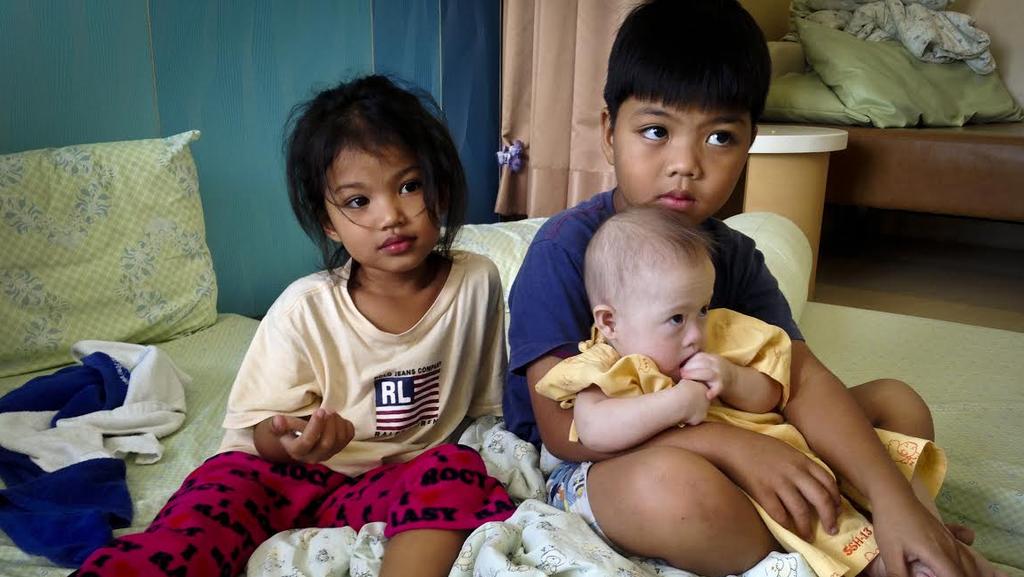
Baby Gammy has been too busy learning to crawl, laughing at his brother and sister and giving high-fives to notice the fuss. But his story has put the spotlight on Thailand’s booming surrogacy industry and cast shadows over the ethics of fertility tourism.
The practise of paying a surrogate to have a stranger’s baby is illegal under Thai medical regulations. But here, money can buy a life.
More than 5500km away, in the town of Bunbury, Western Australia, baby Gammy’s twin sister has spent the past two weeks under the same cloud of controversy.
But her future, with access to world-class healthcare and education, looks vastly different. Both babies were born to a surrogate Thai mother, Pattaramon Chanbua, after she was paid by Australian couple David and Wendy Farnell.
The couple are accused of asking Ms Chanbua to abort baby Gammy because he has Down syndrome and taking only his healthy sister back with them to Australia.
Ms Chanbua said she was approached to be a surrogate by a Thai woman, who donated her eggs to the Farnells.
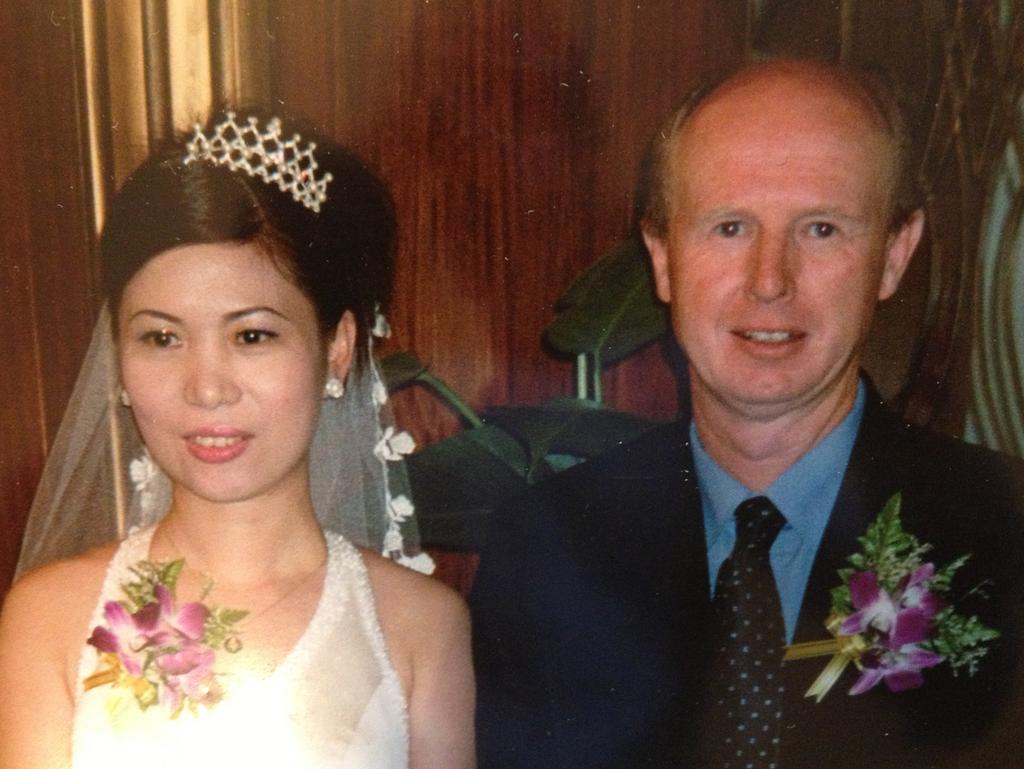
The procedure was carried out through an authorised clinic in Bangkok - one of at least 45 operating in Thailand’s capital to meet a growing demand for surrogacy services for infertile and same-sex couples.
More than 200 Australians are believed to be using surrogacy services in Thailand each year, paying up to $50,000 for surrogacy packages. The process is cheaper for couples wanting eggs from a Thai mother but many clinics also offer eggs donated from women in the US, Ukraine and South Africa.
Some offer gender selection, at an added cost of about $3500. Thai surrogates are paid anywhere between $10,000 and $18,000.
On Ploenchit Rd, in the heart of Bangkok, dozens of nurses in white pressed uniforms raced around to speak to 25 couples waiting in a fertility clinic when The Saturday Telegraph visited this week.
The clinic is one of Bangkok’s busiest, offering IVF and surrogacy procedures to couples desperate to have a baby.
But under new draft laws, clinics, doctors and agents will face prosecution if they are found to have paid a surrogate to deliver a baby.
The clampdown by the Thai military government prompted several clinics to shut their doors in Bangkok, close their websites and turn off their phones this week.

At the private Samitivej Hospital in Chon Buri, baby Gammy is spending his final few nights under the care of a doctor, having been treated for a chest infection.
His doting grandparents Keng and Pon said they were grateful to strangers in Australia who have donated more than $240,000 to support Gammy through the Hands Across the Water Foundation.
But Pong told The Saturday Telegraph she wanted to see an end to the surrogacy industry in Thailand.
“I’m scared. What if we have another surrogacy case like ours?” she said.
“What if this happens to another family. It should stop. Especially if it works out like this. We don’t know about the future. We don’t know what’s going to happen.’’
She said she was concerned after hearing Gammy’s biological father was a convicted child sex offender but said she believed they would care for their daughter.
“We’re not angry with Gammy’s father, we forgive. Sometimes the middle man can twist the story,” she said.
“We may not be rich... but we love Gammy.”